
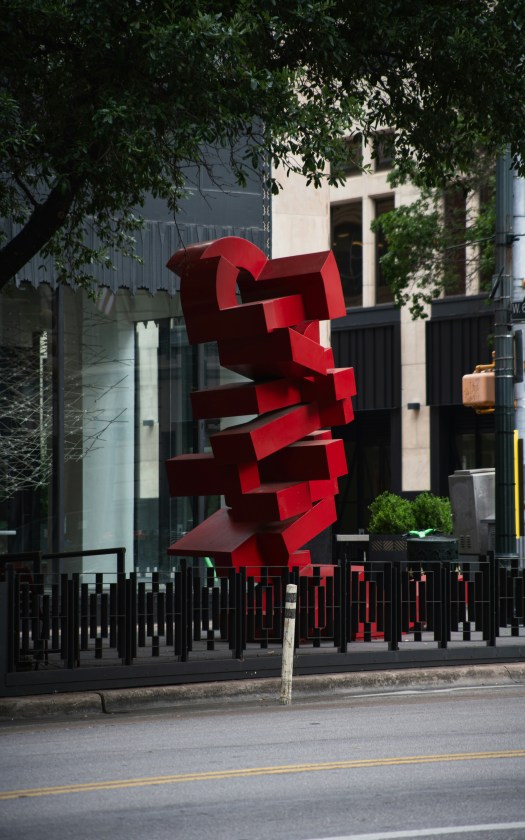
(Image by Muyenda Burnett, via Unsplash)
Lots of discussion in certain circles last week (probably didn’t enter conversation on the porch of the general store, for instance) about the egregious behavior of star chef René Redzepi, of the restaurant sequence Noma. Verbal and physical abuse of his employees for decades, unpaid servitude billed as “internships.” Angry men excused again and again for their behavior because, somehow, they are brilliant. Same thing throughout history in art, in science, in fashion, in architecture, in MFA programs… abuse too often overlooked, or even expected, even celebrated, in the pursuit of the sublime.
Nothing new to see here. What prompted me to write today was Helen Rosner’s very smart article about it all in today’s New Yorker Food Scene newsletter. She raises important questions about what a restaurant is for, but I think she answers them in a way that itself contributes to this culture of abuse.
I think the goals that the restaurant pursues, and that its vast and largely anonymous corps of workers achieve—novelty, technique, narrative, surprise—are, in many ways, the only things that matter in restaurants, once the bare physical fact of hunger has been satiated.
In this formulation, restaurants appear only at the base and the pinnacle of Maslow’s pyramid. We either eat and survive, or we eat for intellectual stimulation. And I say that misses so many things that a good restaurant can do.
A good restaurant can comfort the exhausted, give us a warm place and a night off.
A good restaurant can be the place where we know we’ll see our friends every Wednesday.
A good restaurant can become the anchor that defines a neighborhood.
A good restaurant can make us feel like friends, welcomed back, celebrated again.
A good restaurant can make its magic visible, without docents, and leave us feeling like we might try something like that ourselves.
A good restaurant can make its workers visible, so that we might appreciate everyone who created our evening.
If you really want to spend $1500 per person to “accept the potential artistic merits of this type of formal play,” that’s fine. You could stack some red-enameled metal in the middle of a city block, too. But you could instead aspire to kindness and welcome, much less expensive and much more accessible.
 Herb Childress